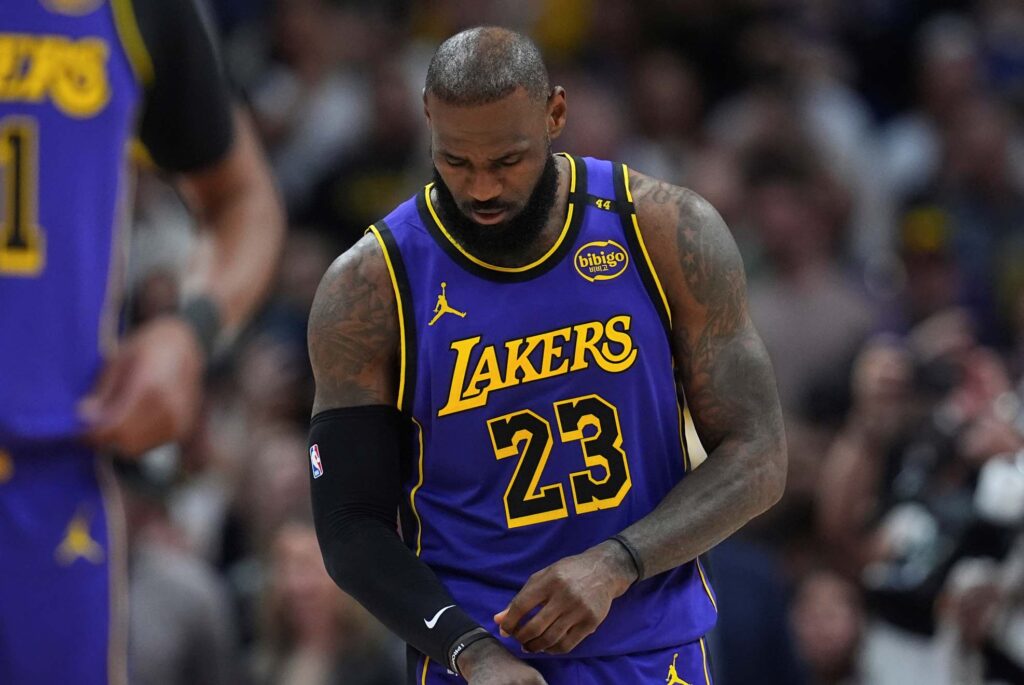
A brutal gap
While Rozier’s contract remains untouched, Sophie Cunningham—who averaged 8.6 points, 3.5 rebounds, and 1.2 assists in 30 games before her injury in August—earns around $100,000 per season. The gap isn’t just financial; it’s symbolic. How is it that a player with defensive impact, who’s guarded stars like Caitlin Clark, receives a fraction of the salary of someone under federal investigation?
Sophie Cunningham isn’t new to this conversation. Since joining Indiana after six seasons with the Phoenix Mercury, she’s been a vocal advocate for equity and labor rights. Her reaction to the Rozier case wasn’t just personal frustration—it was a structural critique. Her words demand justice, not just in pay, but in policy.
Ver esta publicación en Instagram
Social media split
Some users criticized Sophie Cunningham for “getting involved in matters outside her league.” Others supported her, pointing out that her stance highlights a problem affecting thousands of female athletes. The lack of guaranteed contracts, limited recognition, and unequal treatment when legal controversies arise.
Rozier, with ten years in the NBA and solid career averages, represents the privilege of a system that shields its stars—even in turbulent times. Sophie Cunningham, on the other hand, stands for a generation of players demanding that professionalism be measured not just in millions, but in principles.
This episode is a clear example of how professional sports continue to wrestle with deep tensions between justice, business, and reputation. And Sophie Cunningham, with a single sentence, hit a nerve that many would rather leave untouched.