A private battle
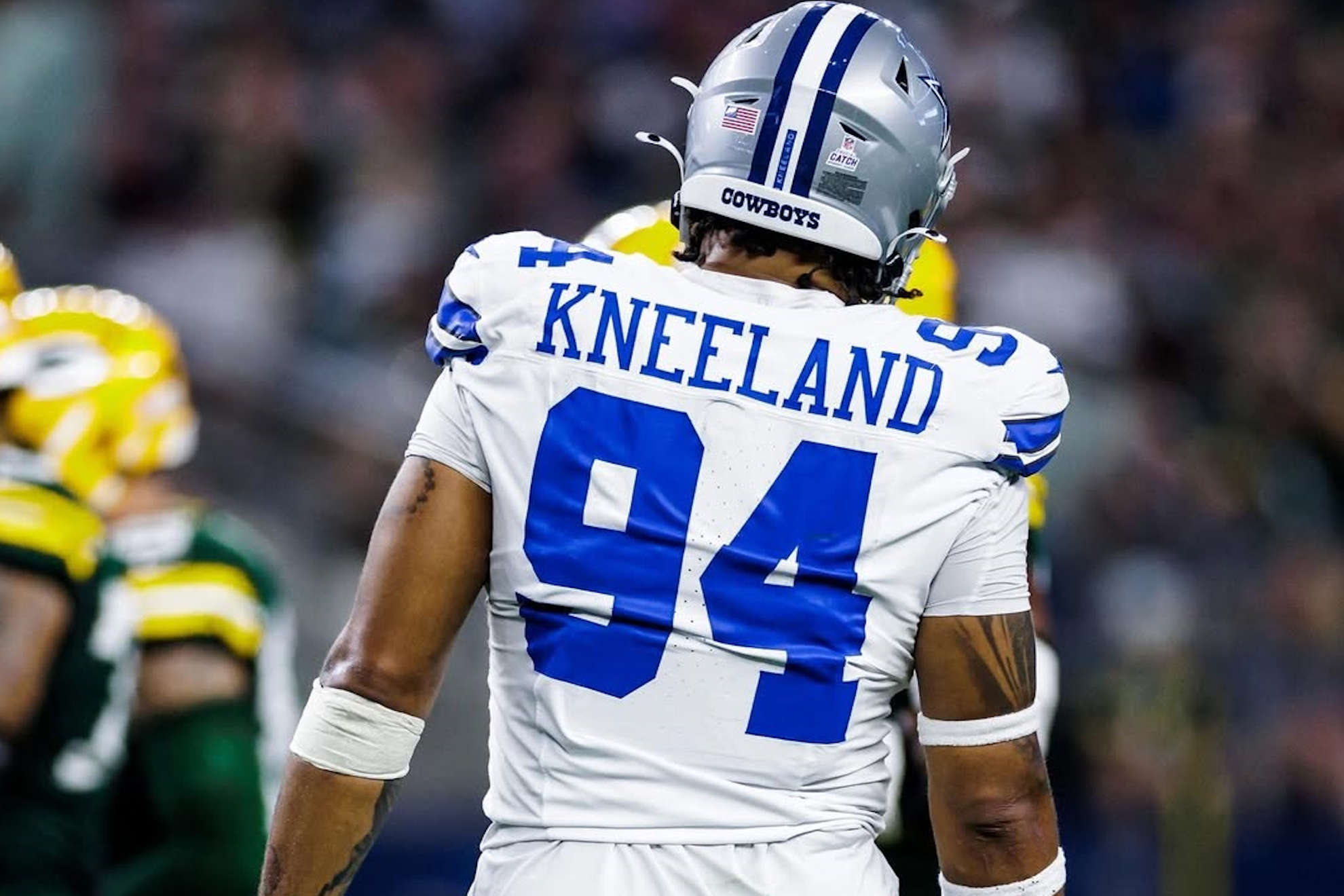
Marshawn Kneeland had lost his mother just two months before the Draft and wore her ashes in a necklace. Despite recently scoring a touchdown after recovering a blocked punt against the Cardinals, those closest to him knew he was fighting a deep internal battle. The contrast between his on-field performance and emotional state sparked a wave of reflection across the NFL.
Ver esta publicación en Instagram
Dan Orlovsky, former quarterback and current NFL Live analyst, shared his own experience: “As an athlete, I never would’ve admitted I wasn’t okay. We’re conditioned to say we’re fine, even when we’re not.” His testimony, shared on ESPN, highlights how the culture of high performance can often mask emotional suffering—something that may have played a role in Marshawn Kneeland’s outcome.
Widespread reactions
Matt Rhule, head coach of the Nebraska Cornhuskers, also spoke out. “That young man (Marshawn Kneeland) scored a touchdown just days ago. From the outside, it looked like he was on top of the world. But he was dealing with something no one could see.” His message was clear: we need to look beyond appearances and ask with empathy.
Ver esta publicación en Instagram
The NFL responded by promoting the national suicide prevention hotline, and several teams have since strengthened their mental health support programs. The death of Marshawn Kneeland leaves not only a wound in the league—it delivers an urgent lesson: mental well-being must be a core part of professional sports.
Ultimately, Marshawn Kneeland wasn’t just a promising athlete. He was a young man who, like many, needed help. His story forces us to look deeper—beyond the helmet, beyond the scoreboard.